
 In honor of Thanksgiving, we asked our staff what makes them thankful. Below are a selection of the responses:
We are thankful for…
The opportunity to do what we love—and love what we do—every day.
All the committed, hard-working volunteers that allow us to do so much more than we would be able to on our own.
Our generous members and donors (individuals, foundations, corporations, state and local government) who support our work year after year and make all that we do possible.
Living in a beautiful part of the country, where so many people care about the environment and do their part to protect the natural beauty and wildlife around them.
The birding community. You can go anywhere in the world, find the birders there, and instantly have friends who share an appreciation for birds and nature. Makes you feel like you could find a home, just about anywhere.
Landowners and land donors who have given generously to Mass Audubon over the years and created a first-rate system of varied and beautiful wildlife sanctuaries.
All of the parents who support their child’s growth by sending them to summer camp; all the campers who step out of their comfort zone to try something new; and all of the young adults who dedicate their summers to camp in order to enrich the lives of a younger generation.
The fantastic return of wild turkeys to our fields and forests, an amazing recovery that human beings directly facilitated. It’s an encouraging reminder that our incredible ability to alter our environment can be used for good!
Nature, of course! As E.E. Cummings wrote: “We thank you…for this most amazing day, for leaping greenly spirits of trees, and for the blue dream of sky and for everything which is natural, which is infinite, which is yes.”
Being able to connect with the next generation; to help spark their innate curiosity about the natural world; and to be inspired by the passion.
Living in a state with so much great local agriculture, from pumpkin patches and cranberry bogs to apple orchards and local farms.
The opportunity to spend time appreciating and understanding the world we live in and helping other people to do the same.
The many coastal communities that value and protect their shore-nesting birds.
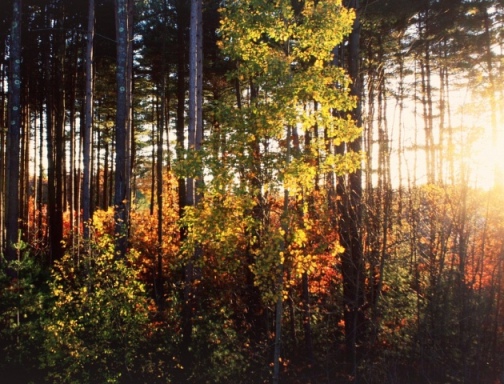
The changing seasons, which remind us of nature’s beauty and the varied landscapes of Massachusetts.
White-throated sparrows—a declining shrubland species—returning to yards to sing their “Oh, sweet Can-a-da!” song every November.
Laura Johnson, our outgoing president, for all that she has given to Mass Audubon over the last 14 years. Her leadership, vision, and passion have given us a strong foundation upon which to build as we move into our very promising future.
Henry Tepper, our incoming president, whose lifelong commitment to conservation and longstanding connection to Mass Audubon will put him (and us) in good stead as we work together to protect the nature of Massachusetts for people and wildlife
A happy and healthy Thanksgiving from everyone here at Mass Audubon! And let us know what you are thankful for this year!
Photo © Stephanie Lin