

And the Winners Are…

View a slideshow of all the winners.

This past April, we embarked on our third statewide photo contest. Once again, we asked for your images that highlight people in nature and the beauty of Massachusetts wildlife and landscapes.

We continue to be amazed by the quality and diversity of the photos that get entered each year. This, of course, makes our judging process all the more difficult. That being said, after much deliberation, we narrowed down the field and are extremely pleased to announce the winners of this year’s contest.

In 2013, the winning photos will travel around the state and be exhibited at our different wildlife sanctuaries. The schedule should be on our website by the end of December.

Congratulations to the winners, and a huge thank you to everyone who entered. And please, keep taking pictures of your experiences outdoors. After all, the 2013 contest is just around the corner!

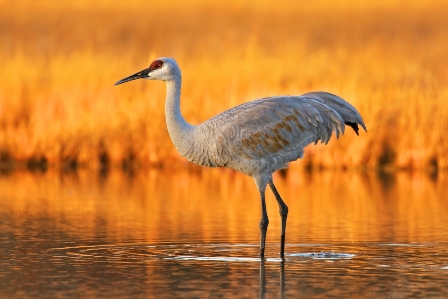
Photo © Ken Lee, Grand Prize winner
Many Moons

Back in August, we delved into the world of astronomy with our Once in a Blue Moon post, which revealed the story behind the common phrase. But a blue moon is just the beginning. Each full moon has a colorful name and back story that we owe to the Native Americans, who timed their lives by natural and seasonal events. Here, a closer look at the three upcoming full moons.

  • Beaver Moon (November) The Farmer’s Almanac states that the Full Beaver Moon (set this year for November 28) may have had one or two meanings. It may have meant that the beavers were active getting ready for winter or that it was time for the Native Americans to put out their beaver traps in order to secure furs for the coming winter months. Interestingly enough, from 1750 to 1930, you would have been hard-pressed to find a beaver in Massachusetts.
  • Cold Moon (December) If you have any questions as to the origin of the name Cold Moon, just imagine living through a New England December (when temps tend to dip below freezing at night) without central heating, insulation, or even solid walls. Or how about braving nor’easters without these comforts of home. These thoughts alone are testament to the amazing facts of survivorship of Native Americans of the Northeast pre-1620. The Cold Moon? What else should it have been called?
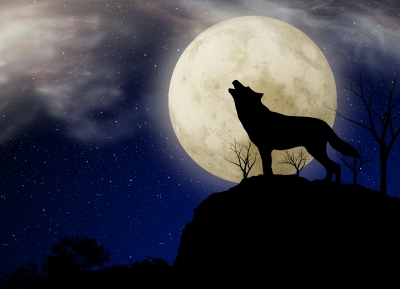
  • Wolf Moon (January) Wolves, now rarely seen in Massachusetts, were still a concern for the residents of the eastern half of the state in the 1750s.  Come midwinter, when food was at its scarcest, wolves gathered near native villages and howled. Their calls, however frightful, became a sign of the season.

Get Outdoors

Full moons on cloudless nights offer abundant opportunities for nocturnal wildlife sightings. Join an evening program to see what lurks in the night. As you stand in a grassland listening to the whoosh of the wind or the hoot of an owl, you’ll be much closer to the Massachusetts landscape as it once was, so many moons ago.

Image courtesy of nixxphotography / FreeDigitalPhotos.net