

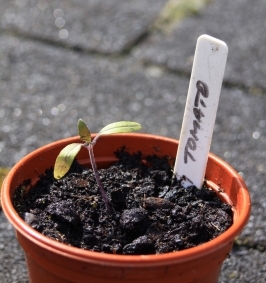
 Spring has sprung, which means vegetable gardening season is right around the corner. Can’t wait to get started? Instead of buying seedlings, start your plants from seed indoors. Now’s the time to dig in.
Why Start From Seed?
There are many good reasons to go the seed route, among them:
- Variety. With seeds you have many more choices than you do from the seedling plants at most garden centers, especially when it comes to heirloom plants. The options of just basil alone will astound you from the large leaved Genovese to Purple Ruffles to the small spicy Thai basil
- Cost. For a couple of dollars, you will have enough seeds to fill multiple gardens. Don’t need them all? Set up a seed exchange with friends and neighbors.
- Taste. Nothing beats the flavor of home grown, sun-ripened tomatoes, from Cherokee Purple to Green Zebra to Brandywine.
How to Get Started
To grow your own seedlings, you will need a few simple things.
- A sunny window. One that faces south or west should provide a good light source.
- Pots with drainage holes. These don’t need to be fancy; clean yogurt cups with holes punched in the bottom will work.
- Something to place under the pots to allow you to water the soil from the bottom up.
- Seed starter mix. This mixture is lighter and fluffier that potting soil to make it easier for new roots to develop. You can find it at any garden center.
- Seeds. Be sure to read the package instructions to determine how to plant the seeds, what kind of light they require, and how much water is necessary.
Within a few days, depending on the temperature, your seeds should be up and growing. Once germinated, make sure you keep the seedlings slightly moist, but not wet. Remember: Roots need water but also air.
Toughening Up
All seedlings need to be “hardened off.” Bright sunlight and cool winds can damage young tender plants. To toughen up your plants, put them outside in a shady place during the day and take them in at night. If the plants turn red or or silver they’ve gotten too much sun.
When to Plant Outside
Some plants such as peas, pansies, lettuce, and spinach can take the colder temperatures and once hardened off can be placed out in the garden while it’s still cool outside.
Tomatoes, cucumbers, peppers, basil, and many flowers need nighttime temperatures above 55 degrees. To insure your plants will flourish, wait until it’s above 55 degrees for 5 nights in a row.
Have you started seedlings yet? Tell us what you’re growing and how it’s going in the comments!
Image courtesy of Simon Howden / FreeDigitalPhotos.net