
Monthly Archives: February 2021

Osprey Nest Nicole Mordecai

Your Chance to Speak Up for Birds

The 100-year old Migratory Bird Treaty Act  (MBTA) is one of our first environmental statutes, making it illegal to hunt, trap, kill, or possess nearly 1,000 avian species. Despite providing crucial protections, the law has been under attack in recent years.  

Normally, when birds die through activities like energy extraction, the MBTA helps hold companies responsible, and is a strong incentive to avoid such impacts in the first place. But a rule passed by the Trump Administration altered the MBTA so that incidental, as opposed to deliberate, bird deaths resulting from these activities–for example, birds killed in oil spills–will no longer result in prosecution. 
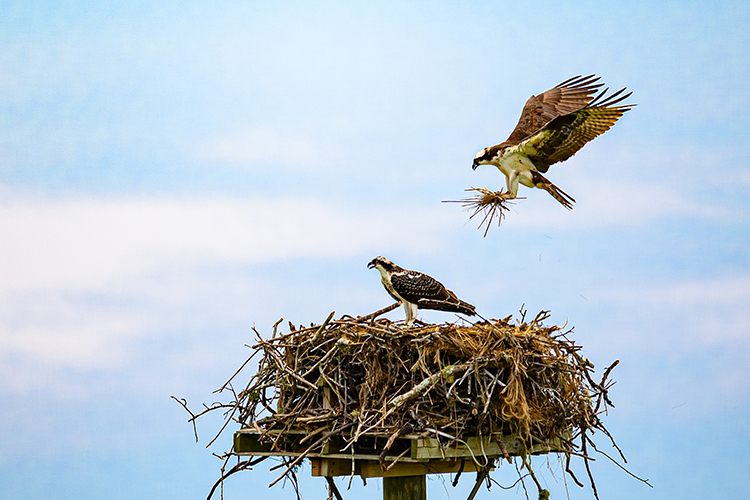
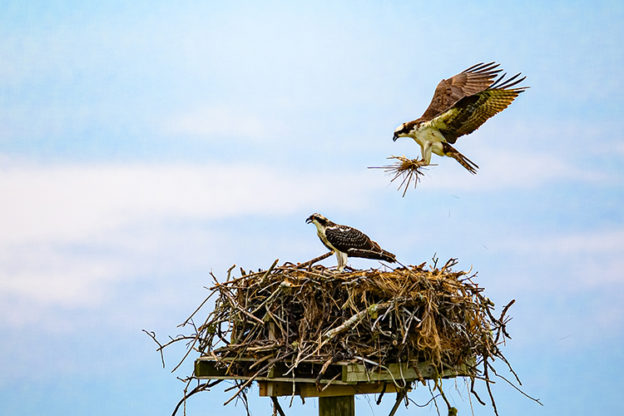
Osprey © Nicole Mordecai

Now we have a chance to take action.

The US Fish and Wildlife Service has delayed the Trump Administration’s rollback, and is taking input from the public as they consider their next steps. You can submit comments by clicking this link and tell USFWS we need to reinstate full MBTA protections! 

Here’s what you can copy and paste into the comment portal (or personalize your comments with a message of your own!): 

I urge the US Fish and Wildlife Service to reverse damaging rollbacks to the Migratory Bird Treaty Act, and to restore full protections under the law. Many of our bird species are already in trouble due to factors like habitat loss and climate change, with reports documenting a decline of 3 billion birds in North America since 1970. We can’t stop holding companies responsible for bird deaths at a time when 76% of all bird species in the US are declining. 

The MBTA is the primary legislation protecting native birds in the United States, and we need it today more than ever. Please take immediate action to restore this critical law and to enforce penalties for bird deaths. Thank you for considering these comments. 
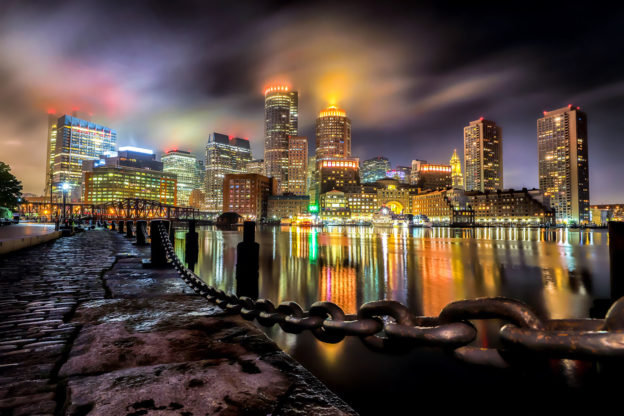
Skyline copyright Michael Mondville

One Way Light Pollution Impacts Birds

Skyline copyright Michael Mondville
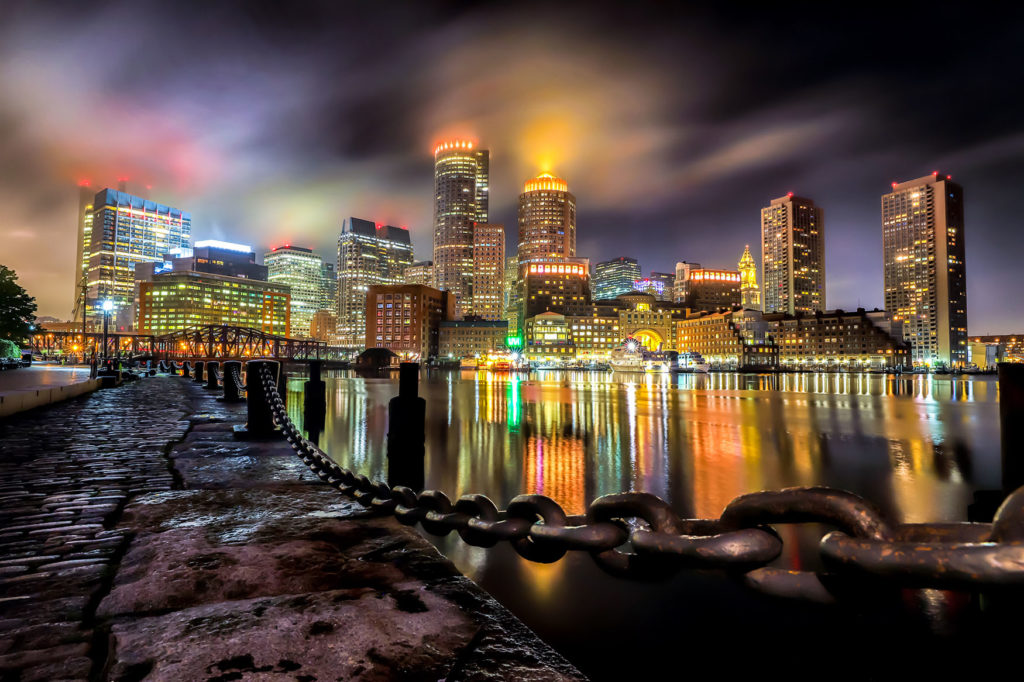
Boston’s bright lights create a hazy glow on the horizon that can be seen for miles. Photo © Michael Mondville

Migrating birds are attracted to artificial light at night, and ornithologists are just beginning to understand how that affects their survival.

Recent studies show that the diffuse glow of entire cities can draw migrating birds towards them—and away from more suitable habitat.

There are already hundreds of records of mesmerized birds fluttering around single, isolated sources of bright light— from thousands of migrants trapped in the beams of mile-high searchlights in New York City, to dozens of warblers gathering at the windows of lighthouses.

But until recently, there was limited evidence for how light pollution across an entire region affects where migrants rest and feed.

Radar studies show “clouds” of birds near cities 

To test if birds gather disproportionately in brightly-lit cities, migration ecologists looked to doppler radar data. This is the same radar used to create weather forecasts across the country. Doppler radar reveals the density of particles in the air, whether it’s rain, birds, or aircraft, so it’s useful for remotely observing which areas migrating birds are using the most.

Naturalists might expect that migratory birds gravitate towards undeveloped areas, just as most do when they aren’t migrating. But this isn’t necessarily true, according to a team led by scientists from the University of Delaware.

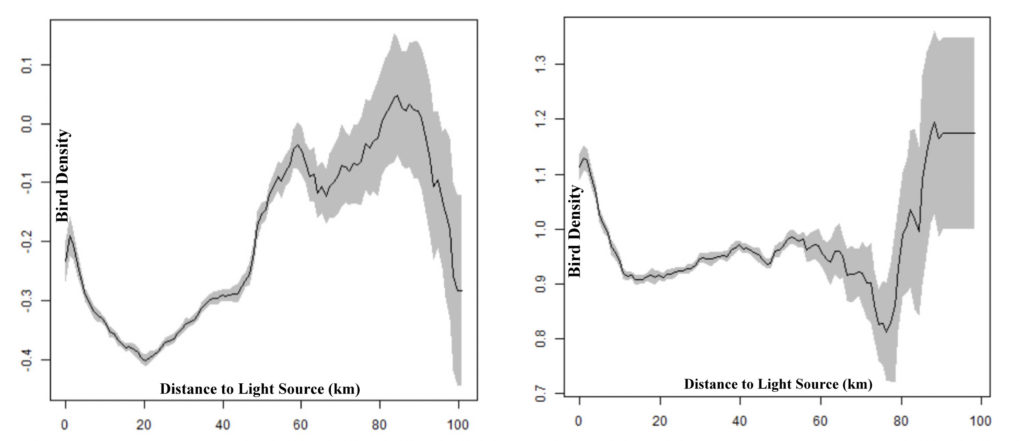
In fact, radar signals consistently show more migrants pausing within a couple of miles of brightly-lit areas than anywhere else within around 30 miles. Migrant density peaks again 50-60 miles away, where the glow of lights on the horizon is dimmer or invisible.

These graphs show the density of migrating birds relative to major sources of light pollution like cities in spring (left) and fall (right) migration. Source: Cohen et al. (2020) (axis labels added).

This suggests that artificial light from cities is drawing in birds from greater distances than once believed. The authors of the study write that this pattern risks “impeding [birds’] selection for extensive forest habitat.” 

They go on to caution that “high‐quality stopover habitat is critical to successful migration, and hindrances during migration can decrease fitness.”

Prioritizing Urban Greenspaces for Birds

Migratory birds’ attraction to artificial light may be one reason behind the surprisingly excellent birding at greenspaces in cities—something birders have known about for a long time, but struggled to fully explain.

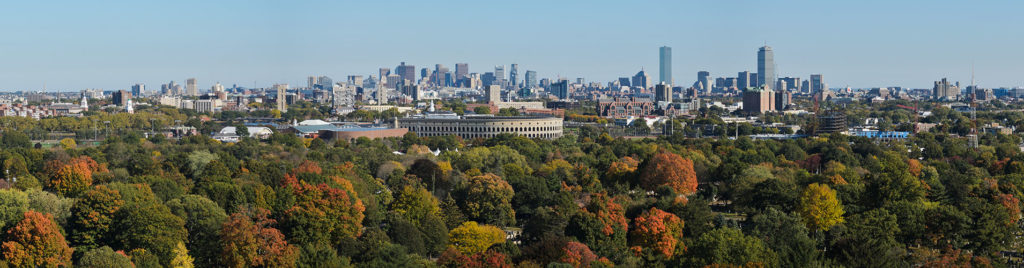
A canopy of trees meets Boston’s skyline, as seen from Mt. Auburn Cemetery in Watertown. Source: Wikimedia commons

Take Mount Auburn Cemetery, for example: it’s arguably the most famous site in the Northeast to see big numbers of warblers in spring. New York City’s Central Park, too, offers excellent birding that can rival—or outmatch—spring migration in intact forests.

But despite their attraction to the bright glow of cities, birds face increased hazards in urban environments. Most migratory birds feed exclusively on insects, which are harder to come by in cities, and urban ecosystems host more predators per square mile than other habitats.

Modifications as simple as planting native species, reducing insecticides, adding understory and mid-story habitat, or controlling predators could give migrants a much-needed boost at these sites. As long as light pollution continues to be an issue, improving urban habitat and reducing hazards remains important work.