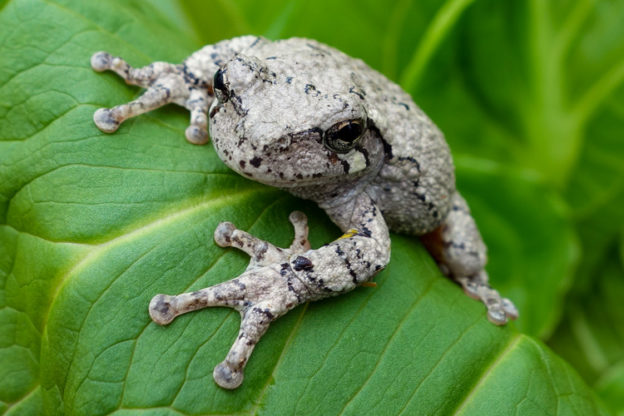
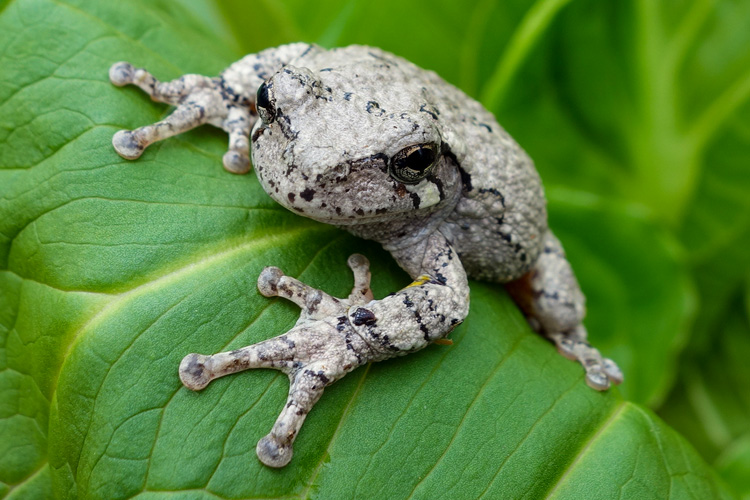
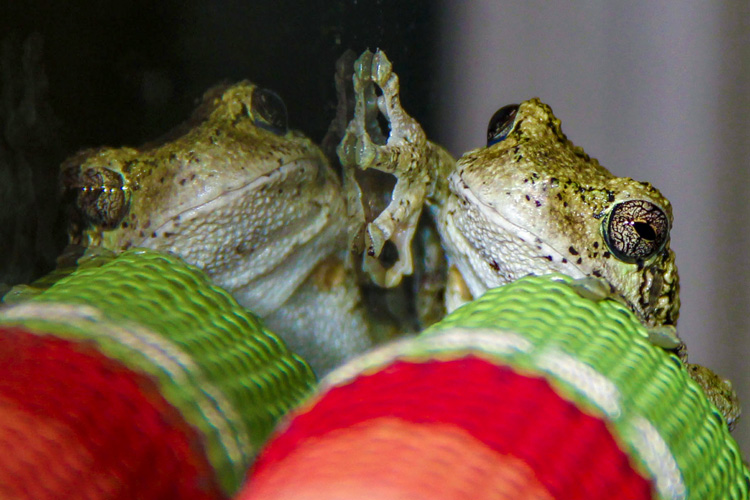
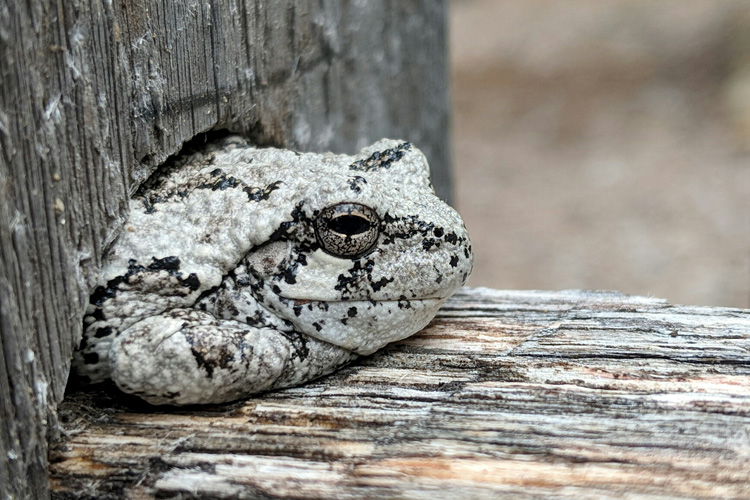
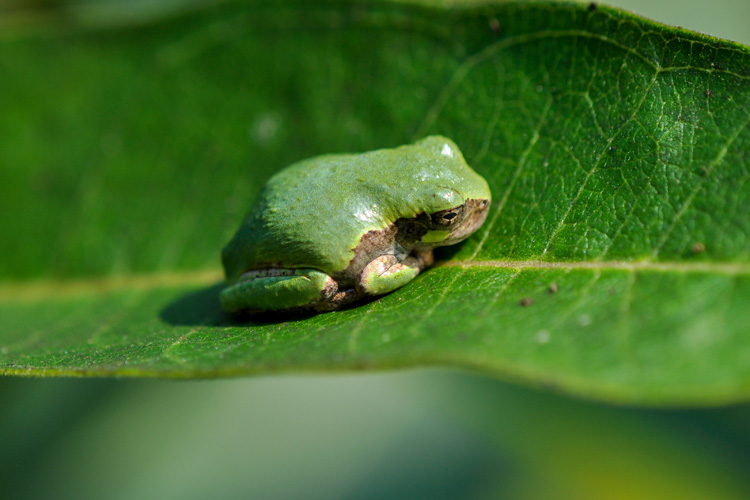
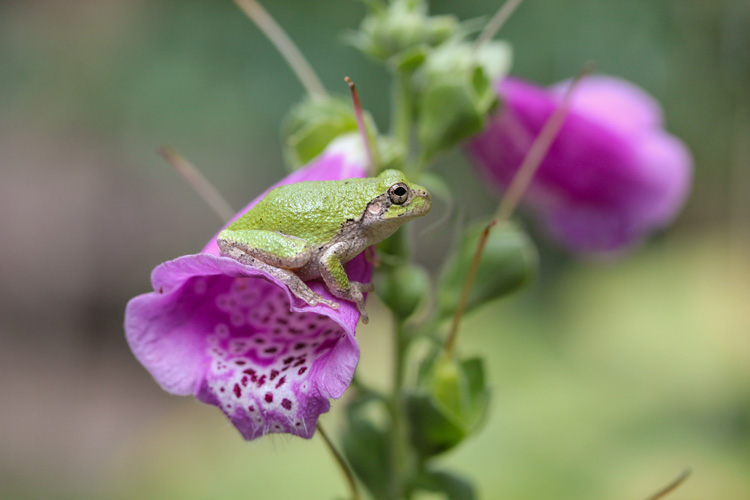
If you’ve been spending many of your pleasant summer evenings in a wooded area, perhaps sitting in your backyard or a local park, you may have heard a short, high-pitched trill pierce the stillness and thought, “What on Earth kind of bird is that?!” That’s no bird! It’s the Gray Treefrog.
These minute masters of camouflage clock in at just 1.25″–2.25″ in length, with the females often slightly larger than the males. They can change their color based on their environment, ranging from green to gray to brown, but young frogs are typically bright green.
Found everywhere in Massachusetts except the islands, Gray Treefrogs can be heard (but difficult to spot) around dusk from spring through summer as they look for mates and establish their territories.
Enjoy these five fabulous photos of Gray Treefrogs from our annual Picture This: Your Great Outdoors photo contest. Don’t forget to submit your own nature photography, as the 2020 contest is now open!
We can see climate change’s impacts on the health of our world all around us, right here in Massachusetts. Our friends, families, and neighbors have to adapt (just like wildlife and plants) to new and heightened threats – and one of those is a threat to public health.
Warming temperatures bring with them a rise in extreme heat events, which are linked to an increase in hospital admissions for cardiovascular, kidney, and respiratory disorders.
Cities are hit especially hard by extreme heat. Urban areas experience a phenomenon known as “urban heat islands”: when specific parts of cities face significantly higher temperatures than their suburban or rural counterparts.
This heat difference arises because of how well each environment absorbs and holds heat. Suburban or rural areas have abundant plants, grass, trees, and other flora – tools that NASA calls “nature’s air conditioner.” Cities, on the other hand, don’t contain as much flora. Dark asphalt, sidewalks, and buildings that comprise our cities aggravate this problem by actually generating more heat.
An Uptick in Disease-Bearing Ticks (and Others)
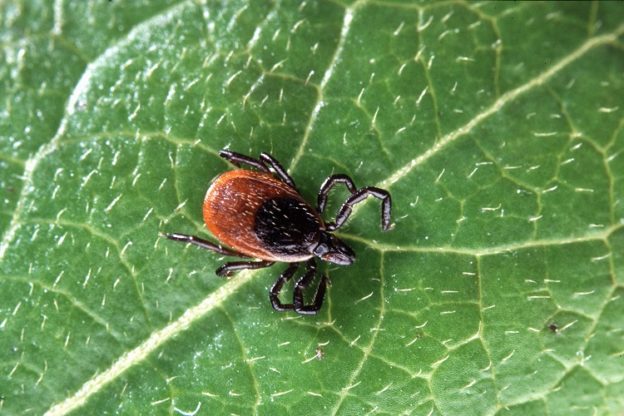
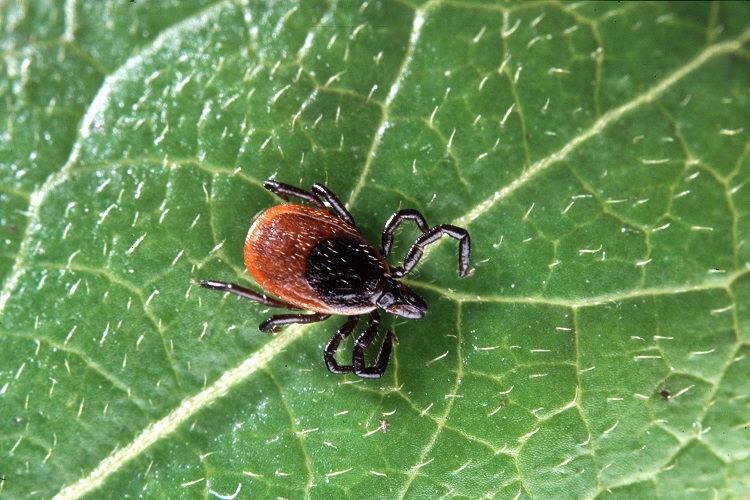
Warming temperatures also influence the spread of disease bearing insects. Lyme disease, West Nile virus, Eastern Equine Encephalitis, and Zika virus are all occurring more frequently in the US and are all carried by insects like ticks and mosquitoes. As Massachusetts, warms, these diseases are surviving in and spreading to areas they weren’t able to before.
It’s the Sneezon
Climate change makes springs and summers longer, increasing Massachusetts’ growing season and consequently how long plants produce pollen. Both these byproducts intensify allergy symptoms.
Allergies are only one part of the problem. Burning fossil fuels creates excess greenhouse gasses and pollution, like particle matter (PM), that lowers air quality. Such pollution is directly linked to the development of asthma in young children and worsening asthma symptoms in those already dealing with the illness.
Social Equity in Public Health
Climate change’s disparate impacts are nothing new, and are deeply rooted in history. The very sources that have pumped greenhouse gasses into our atmosphere for years have been overwhelmingly sited near communities of color, especially Black communities. Additionally, urban heat islands tend to map onto almost the exact same locations Black communities were forced into in the 1930s through the formal practice of “redlining.”
It’s no coincidence, then, that marginalized populations bear the brunt of climate change’s public health effects. According to a 2018 study, communities in poverty faced 1.35 times the burden of PM pollution from sources like power plants and cars (also rampant greenhouse gas sources) compared to the overall population, people of color faced 1.28 times the burden, and Black Americans suffered 1.54 times the burden.
Even worse, marginalized communities like people of color tend to have less coverage, access, and use of quality health care. That means already vulnerable communities struggle in obtaining treatment for climate change induced heat-related illnesses, insect-borne diseases, allergies, and asthma.
We Can Fight Climate Change Together
Here’s how we can keep our friends, families, and our most vulnerable populations healthy and safe.
Public health impacts demonstrate that the health of our environment is directly tied to the health of our communities, and some groups are disproportionately affected. Our climate fight must be guided by equity and justice – and we can start acting by learning.
Each month, we’ll send you climate information, community action, and solutions. Sign up for our newsletter to join our climate action community and help us tackle climate change.