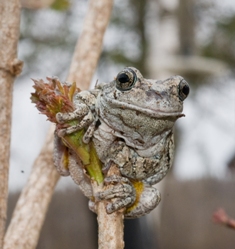

If you were one of the many people captivated by the rare titan arum a.k.a. corpse flower that recently bloomed at the Franklin Park Zoo, but didn’t get a chance to see it (or smell it for that matter), don’t fret. While it will be some time till “Morticia” blooms again, you may be able to discover an insect-attracting stinky species while exploring the outdoors in Massachusetts. Unfortunately, you may have to wait until next spring to sniff all but one of these out as many have already bloomed.
 Stinkhorns are a variety of strikingly-shaped mushrooms that have a sticky, spore-bearing coating that smells like rotting meat. The attracted flies get the spores on their feet and “plant” them elsewhere. In Massachusetts, you can typically find ones like the “Stinky Squid” during summer and fall.
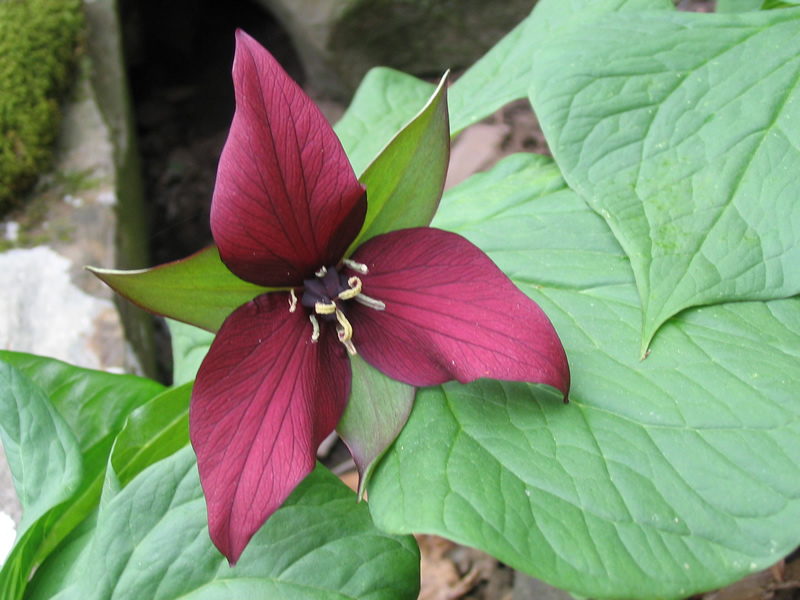
A member of the lily family, Red (Purple) Trillium gives off an odor reminiscent of a wet-dog, earning it the nickname of, you guessed it, “wet dog trillium.” This spring bloomer is also known as Stinking Benjamin and Wake-robin (since it appears about the time people first notice robins in the spring).
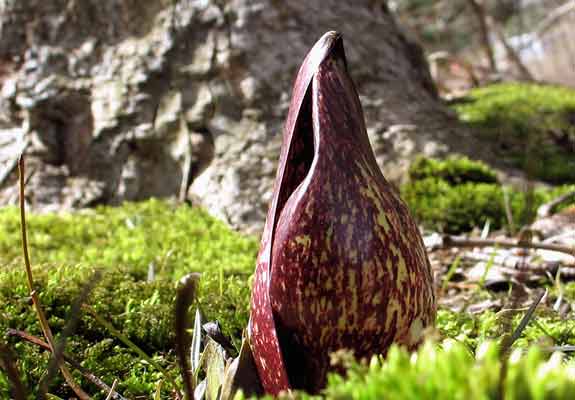 Skunk Cabbage is pollinated by flies in the early spring. It’s also capable of generating its own heat, thereby enabling its very early emergence in the spring.
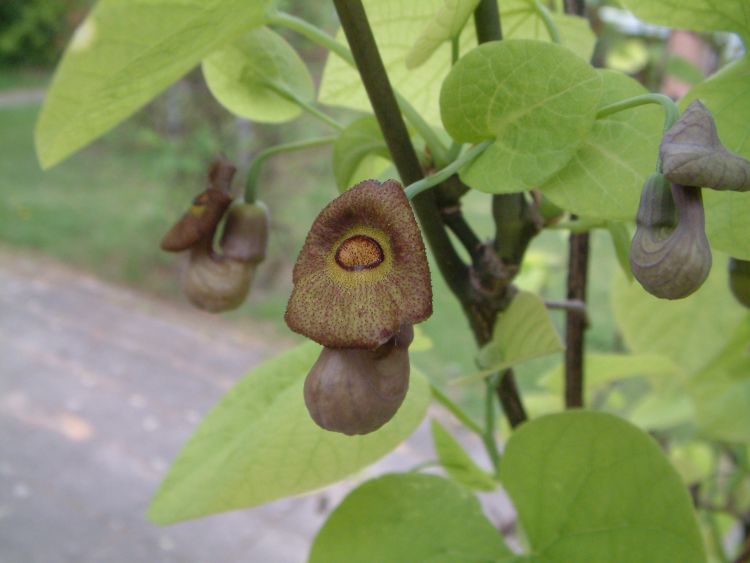 Dutchman’s Pipe is a type of Pipevine used locally as an ornamental vine. The “pipe” shields the flowers, which gives off a strong odor in mid- to late-spring that attracts flies that are then trapped inside by special hairs; once the fly gets covered with pollen the hairs wither and let the fly escape.
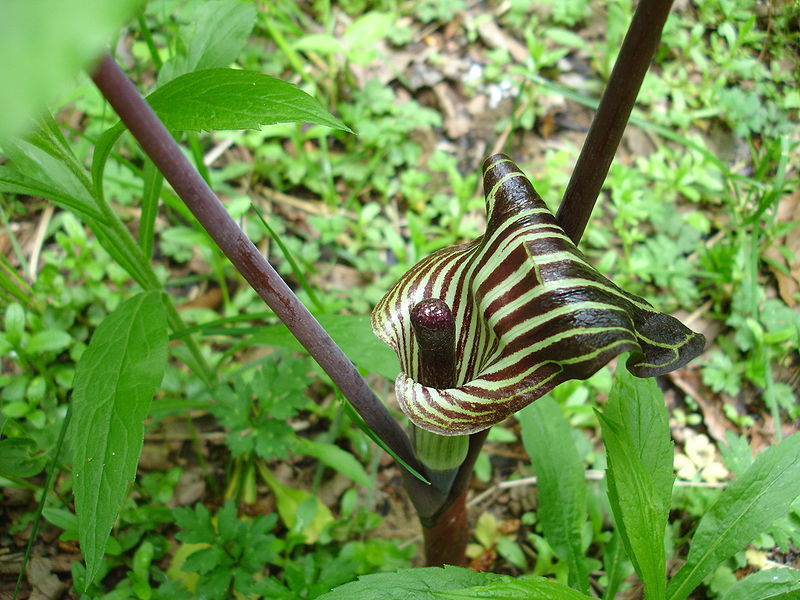 When it blooms in the spring, Jack-in-the-Pulpit gives off the odor of mushrooms and attracts fungus gnats for pollination.
Photo Credits from Top: Noah Siegel/Wikimedia Commons; USDA Forest Service; Sue Sweeney/Wikimedia Commons; Ondrej Zicha/www.biolib.cz; Ivo Shandor/Wikimedia Commons