

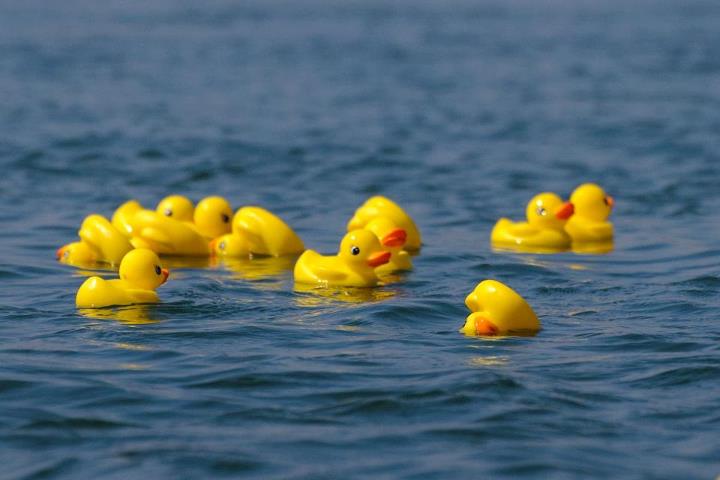
Feeling Ducky?

If you could have an all-expense paid dinner for two anywhere in the world, where would you go? That’s the question that the winner of Allens Pond Wildlife Sanctuary’s 9th annual Duck Derby will need to wrestle with in less than two weeks.

On August 17th at 6 p.m., approximately 5,500 numbered rubber ducks are expected to be released en masse on the incoming tide between Buzzards Bay and Allens Pond.

The first duck to float across the finish line will award it’s owner dinner for two, air travel, and two night’s accommodations anywhere in the world. Runner ups have a chance at as many as 49 other prizes. Even the last duck across the finish line—dubbed the “slacker quacker”—earns its owner a free entry to the 2013 Duck Derby and a chance to try again.

Want in on the action? All you have to do is “adopt” one or more little yellow rubber duckies to enter the race. One duck will cost you $10 (five for 40; 13 for $100 … you get the drift), with the funds supporting Mass Audubon’s work at Allens Pond in South Dartmouth.

Prize winners will be announced at the Duck Derby Festival, which takes place at Allens Pond on Saturday August 18 and features a “Ducky Dash 5K” at 8 am, followed by a “Kids Totally Quackers” Obstable Course at 9:15. From 10am-2 pm, participants can enjoy a variety of food, exhibits, games, live music, a plant auction, and a silent action.

Good luck! And may the luckiest duck win!
Nature’s Gold Medalists

The Summer Olympics are in full swing, and we’ve got competition on the brain! As our favorite athletes take to the world stage, we couldn’t help but wonder who might give them a run for their money in the natural world. Our resident wildlife expert, Linda Cocca, shares her thoughts on some potential gold-medalists.

Diving: Long-tailed Ducks
Found in the coastal waters of Massachusetts during winter, the long-tailed duck can dive as far as 200 feet underwater. It uses its specially adapted wings to plumb the depths in search of food, including mollusks and crustaceans.

Gymnastics: Gray Squirrels
Able to climb trees, shimmy down poles, hang from their toes, and otherwise reach a food source in a single, 10-foot bound, these resourceful mischief-makers earn their medal.

Weight Lifting: Ants
Nature’s little powerhouses, ants can lift and carry more than three times their own body weight in order to build and feed their colonies. Not too shabby for something smaller than a thumbtack!

Long Jump: Fleas
Though they may be despised, there’s no denying that fleas have a remarkable jumping capabilities—they’re able to leap 800 times their body length!

Sprints: Cottontail Rabbits
Cottontail rabbits, which can be found throughout the state, can reach speeds of 18 mph when fleeing from danger. They use this speed and a zigzag-patterned gait to elude their many predators.

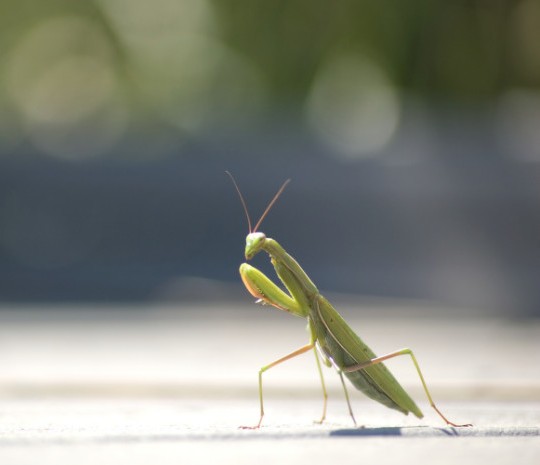
Boxing: Praying Mantis
The praying mantis uses its large, lightning-fast front legs to snatch up its prey, including moths, crickets, and other praying mantises. In fact, this predatory jabbing motion is so fast that it’s difficult to see with the naked eye.

Sailing: Flying Squirrels
Southern Flying Squirrels—the most common flying squirrels in Massachusetts—can glide through the air a distance of 200 feet using a wing-like membrane that extends from their wrists to their ankles. About the size of a baked potato, these little squirrels don’t flap but let the wind carry them aloft for smooth sailing.

Are we missing any? Share your favorite athletic animal in the comments and find more interesting facts at Living with Wildlife.

Photo via U.S. Fish and Wildlife Service