
 I blame it on the butterflies.
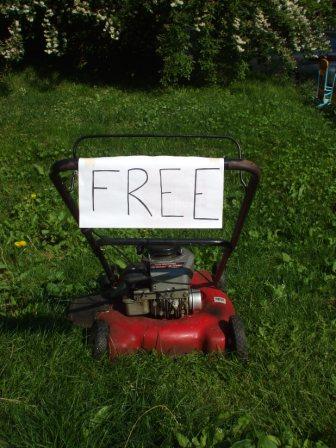
We used to dutifully mow our little lawn in a suburban neighborhood where neat, clean landscapes are highly valued.
Then I fell in love with butterflies and everything changed.
It started with the gorgeous orange and black butterflies that float in my butterfly garden and nectar on my butterfly bush. Great Spangled Fritillary caterpillars spend the winter in leaf litter and then crawl to the nearest patch of wild violets in spring to munch their way to adulthood. So, we stopped raking out the dead grass for fear of disturbing the fritillary caterpillars. And we mowed around our patches of violets.
Then I noticed that the earliest spring butterflies (Clouded Sulphurs, Red Admirals, and Spring Azures) were drawn to the nectar of the early spring wildflowers (dandelions, ajuga, violets, clover, and Robin’s plantain) blooming naturally in my yard. I forbid my husband to mow the lawn until the very last wildflowers had finished blooming and gone to seed.
Even then, when the yard was knee high and shockingly messy, I considered that my beloved lemon-yellow Clouded Sulphur butterflies lay their eggs on the tiny clover plants that dot my yard and the caterpillars depend upon their hostplant throughout the summer. Could we mow at all?
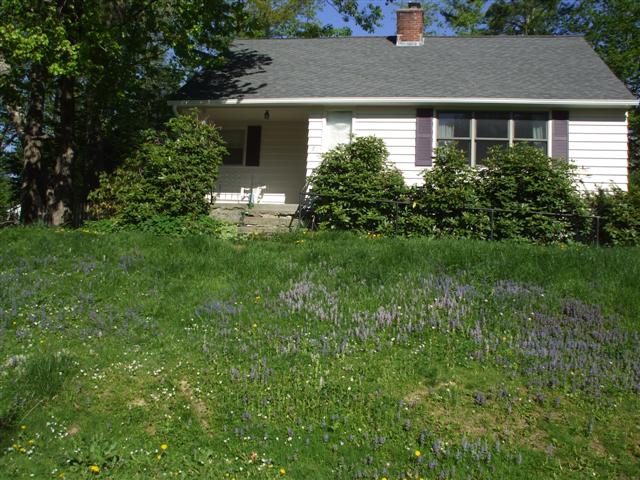 And so it progressed until our yard was alive with insects and I began to see a lawn as the most sterile spot on earth. Imagine what could happen if every lawn, in every town in Massachusetts, became a haven for butterflies, birds, and other wildlife?
There are all sorts of good reasons to mow a lawn: space for children to toss a ball, cookouts and picnics, the enjoyment of yard work, fear of ticks and poison ivy, and so on. But if we’re just mowing our lawns because we’re supposed to, maybe it’s time to rethink.
How about you? Would you give up mowing your lawn to create habitat for butterflies and other creatures? Could you tolerate neighbors who do?
Want to learn more about creating wildlife habitat in your own backyard? Check out:
- A demonstration butterfly or bird garden at a Mass Audubon wildlife sanctuary
- The National Wildlife Federation’s backyard Certified Wildlife Habitat Program
- Sara Stein’s Noah’s Garden: Restoring the Ecology of Our Own Back Yards
- Douglas W. Tallamy’s Bringing Nature Home: How You Can Sustain Wildlife with Native Plants (available at the Audubon Shop in Lincoln)