

Get a Head Start on Holiday Shopping

Don’t leave your holiday shopping to the last minute. Find something for everyone on your list at the Audubon Shop in Lincoln. Better yet, come to the Shop’s Holiday Sale November 14 – 18, where Mass Audubon members save 20 percent off their entire purchase* (and 15 percent off optics). Need some gift-buying inspiration? We’ve got your covered.

What to buy for the …
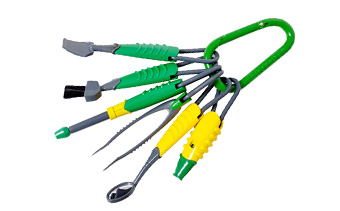
… Young Naturalist
Kids can look and act the part of naturalist explorers with the Backyard Safari 6-in-1 Field Tools ($12), the Mini Lantern ($7.95), and the Essential Cargo Vest ($24).
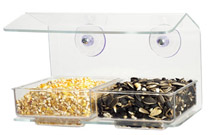
 

… Beginning Birder
Give the gift of bird watching with the Aspects Buffet Window Feeder ($25.95), a bag of black-oil sunflower seed (price varies), and Mass Audubon’s handy laminated A Guide to Backyard Birds of Eastern North America ($4.95).
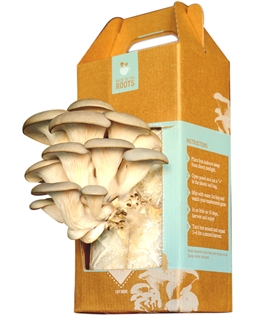
 

… Foodie
Elevate someone’s cooking experience with the Grow-Your-Own Mushroom Garden ($24), a silicon Lily Pad Cooking Lid ($9.95-12.95), beautiful hand-etched wooden spoons ($7.95) , and The Boston Homegrown Cookbook: Local Food, Local Restaurants, Local Recipes ($30).

 

… Gardener
Extend the life of flowers and herbs with the old fashioned Flower & Herb Dryer ($18), a lovely little Shirley Vase, handcrafted in the USA and available in assorted colors ($20), the Eco Crock Counter Compost Bin ($40), and Let it Rot! The Gardener’s Guide to Composting ($12.95).
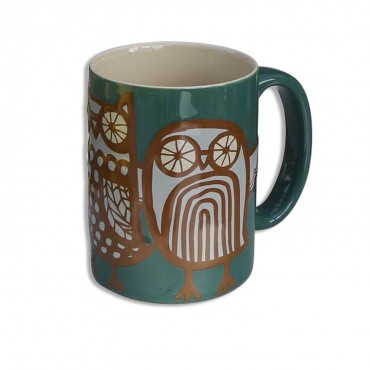
 

… Owl Obsessed
Know someone who loves owls? You can’t go wrong with cute these Owl Mugs ($12.95) and the endearing book Wesley the Owl ($15). Better yet: help them bring owls to their own backyard with a Saw Whet/Screech Owl Nesting Box ($47.95).


Plus get into the holiday spirit yourself with our nature-inspired ornaments, cards, wrapping paper, and more!

*Some exclusions apply

A Win for Community Preservation

Tuesday’s election was a win for the environment here in Massachusetts. But not for the reasons you may think. Here, we are celebrating the fact that seven communities voted to adopt the Community Preservation Act (CPA) bringing the Bay State total to 155 communities.

This means that these communities have voted to dedicate local funding, with a state match, to preserve and improve open space and historic sites, create affordable housing, and develop outdoor recreational facilities.

Over the last 10 years, 42 percent of the Commonwealth’s cities and towns have preserved 15,000 acres of open space. The new CPA communities include: Beverly, Canton, Fall River, Great Barrington, Salem, Somerset, and Somerville.

Why it matters

Until the CPA was enacted back in 2000, there was no steady funding source dedicated to helping communities with strained resources address quality-of-life issues like open space, recreation, and historic preservation. CPA has proven to be a valuable tool for communities that don’t have access to other non-property tax revenue streams like hotel/motel taxes, big-ticket mitigation fees from developers, or state grants for special projects.

In municipalities that vote to adopt CPA, the program allows local officials to use a property tax surcharge and matching state funds to encourage communities to invest in areas often neglected when budgets are tight.

How it works

CPA adopting communities add a surcharge of up to three percent to municipal property taxes to raise money locally. A statewide, dedicated CPA Trust Fund distributes annual matching funds of up to 100 percent of the CPA revenues raised locally by these communities. Fees on filings at the state’s registries of deeds fund the CPA Trust.

For the past six years, a Mass Audubon legislative priority has been to update the CPA legislation to make it more beneficial (not to mention appealing). In July 2012, the Act to Sustain Community Preservation was passed as an amendment to the state budget. Among the improvements:

  • Increases in funding for the statewide Community Preservation Trust Fund, which will allow for even more improvements to towns’ and cities’ existing CPA programs.
  • Incentives for cities to join by allowing for recreation improvements and the use of higher matching funds from other local sources;
  • A provision that gives CPA communities the ability to use CPA funds to fix up existing parks and recreational facilities. Previously, CPA funds could only be used to purchase new parks and recreational facilities.

To learn more about Mass Audubon and its efforts in community  preservation, planning, and smart growth, check out our Shaping the Future of Your Community online handbook and attend a workshop.

Photo © Alison Noyce